

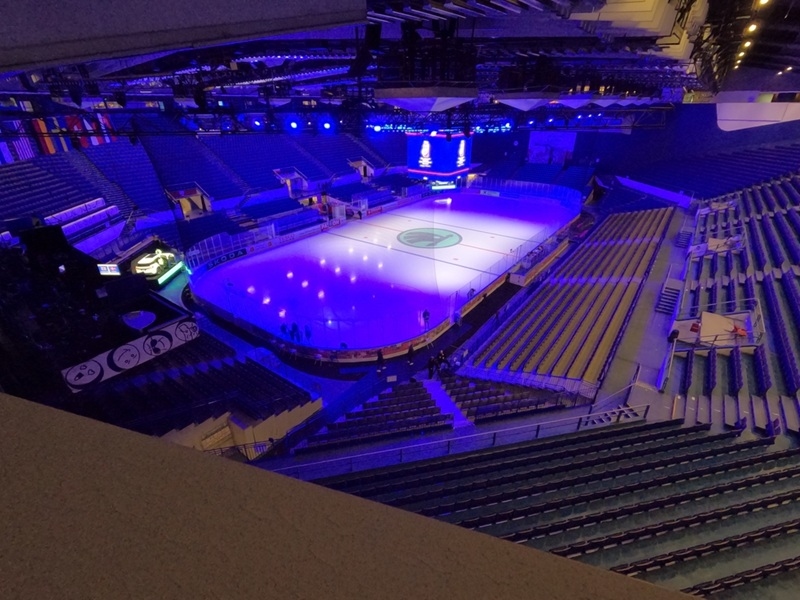
Modern hockey is not just faster on the ice. It is smarter inside the building. Smart hockey arenas are upgrading everything from ice quality to fan engagement to energy use. These upgrades are driven by arena technology, connected systems, advanced sensors, and AI in sports venues. Fans notice better experiences, players get sharper conditions, and operators cut long term costs while moving toward eco friendly arenas.
Below is a practical look at how these changes work and why they matter.
Smart hockey arenas are built on connected infrastructure instead of traditional manual systems. A typical venue might run lighting, ice cooling, HVAC, security, and scoreboards separately. A smart setup connects them through one digital layer that reacts in real time. This makes the arena easier to manage and much more efficient.
These features create a venue that adjusts itself without waiting for staff to catch issues. When the ice softens, the system adjusts cooling. When fans enter a section, the arena increases air flow. When a machine shows early signs of wear, maintenance gets flagged automatically.
Explore More: Role Of Arena Atmosphere in Home-Ice Advantage for NHL Teams
Arena technology changes the experience for fans and players at the same time. Hockey requires tight control over climate, timing, and player load. Even small disruptions can shift the flow of a game. Smart hockey arenas help avoid those issues.
Sensors continuously observe ice temperature, humidity, and friction. The system can alter the chillers or dehumidifiers to maintain the same thickness of ice. A more consistent surface leads to fewer ruts, better puck sliding, and lower chances of injuries.
Smart cameras and heat maps provide insights into the movement of fans. Teams will redirect foot traffic or alter the positioning of security lines to reduce the areas with high traffic. The smoother the movement of people, the less time they take waiting and more time they spend watching.
Digital screens and scoreboards connected through unified controls rarely fail. Operators can update content instantly and keep fans aware of every play.
AI in sports venues is becoming standard across North America. Hockey benefits more than many other sports because the game depends heavily on rink quality and timing. AI analyzes the data collected across the building and recommends the best actions.
Predicting ice conditions
AI spots patterns in temperature, crowd size, and activity on the ice. It can forecast soft spots before they appear. This helps operators maintain consistent ice without wasting energy.
Automating climate control
Instead of running HVAC at fixed levels, AI adjusts air flow section by section. This keeps fans comfortable and prevents warm air pockets above the ice.
Detecting equipment issues early
Refrigeration systems, Zambonis, and air handlers all produce performance data. AI can detect unusual patterns that often appear before a breakdown. Fixing issues early saves time and avoids mid game disruptions.
AI in sports venues does not replace staff. It supports them by providing data they would never be able to track alone. This is why more smart hockey arenas are adopting AI every year.
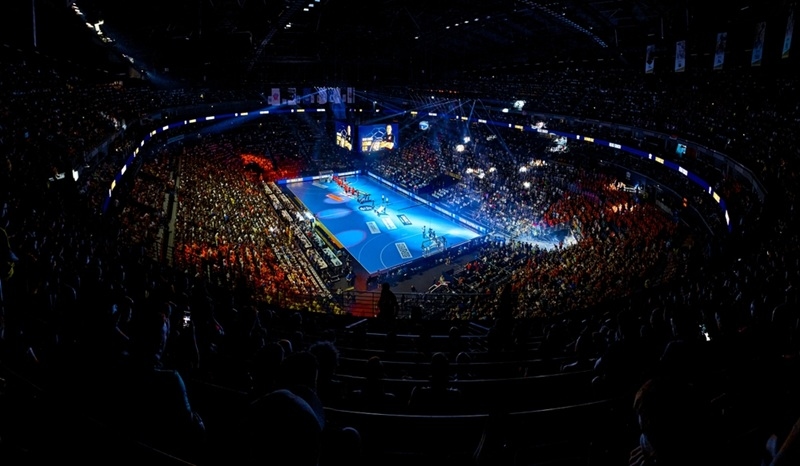
Many older venues struggle with rising energy costs and environmental requirements. Smart hockey arenas solve both problems by shifting toward eco friendly arenas. These arenas are not only modern but also more responsible.
For example, a rink might reduce its energy use by using a sensor based dehumidification cycle rather than a fixed one. Another example is optimizing ice resurfacing schedules.
Eco-friendly arenas also win the hearts of fans that care for greener sports settings. Many modern stadiums showcase their energy dashboards publicly to demonstrate real-time savings.
Smart hockey arenas apply integrated systems not only for comfort but also for safety inside the venue. Traditional places are heavily dependent on manual checks that might overlook early warning signs. Smart safety implements are:
These tools keep fans and staff protected while reducing the workload on security teams. If a section becomes overcrowded, staff receive instant alerts.
Don’t Miss: Best Seats for Hockey Arena: Where to Get the Ultimate View
Hockey venues operate on tight budgets. Energy, staffing, maintenance, and equipment costs rise every year. Smart upgrades help reduce these expenses and improve revenue.
Arena technology also creates data that teams can use to build better marketing offers. For example, heat maps might show which concession stands underperform. Operators can adjust menus, move staff, or promote certain areas based on real patterns rather than guesswork.
Smart hockey arenas are becoming the standard rather than the exception. The combination of AI in sports venues, advanced sensors, and eco friendly arenas will continue shifting how games feel and how buildings operate.
Future arenas may include:
These improvements will keep hockey competitive as entertainment options grow. Fans expect comfort, speed, and innovation. Smart hockey arenas are built to deliver all three.
More to Discover: Evolution of Hockey Stadiums: Outdoor Rinks to Mega Arenas
Smart hockey arenas are redefining what it means to run a modern rink. Arena technology makes operations smoother. AI in sports venues helps predict what needs attention. Eco friendly arenas cut energy use while delivering a better experience. When these elements work together, hockey becomes faster, safer, and more enjoyable for everyone.
If the goal is to give fans a better game and operators a more manageable building, smart hockey arenas are the path forward.
Here are answers to common questions about smart hockey arenas, arena technology, and eco friendly operations.
A smart hockey arena uses connected systems, sensors, and AI in sports venues to control ice, lighting, air flow, and fan movement efficiently.
Eco friendly arenas use smart LED lighting, optimized cooling, heat recovery, and sensor driven water cycles to lower energy usage and reduce waste.
Arena technology keeps ice consistent, guides crowds, provides real time updates, and ensures safety, making games smoother and safer for everyone.
This content was created by AI