

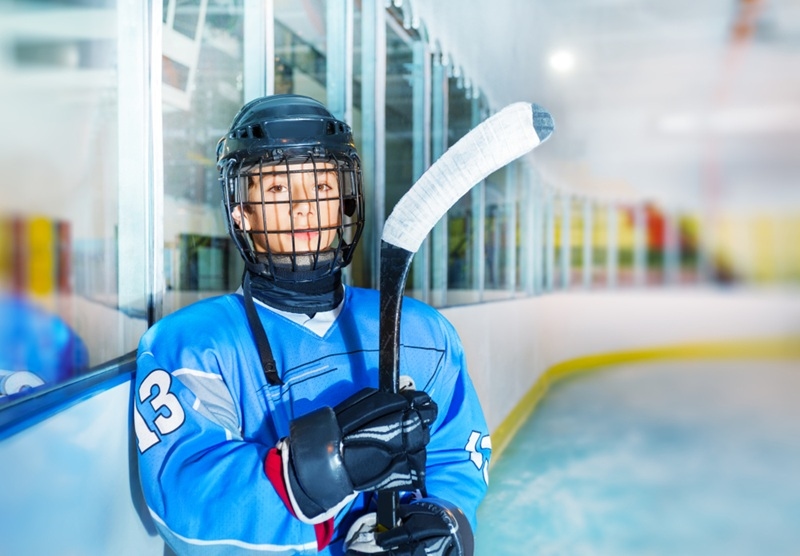
Youth hockey looks simple from the stands—kids skating fast, chasing a puck, shouting parents, cold air. But underneath that noise, things are tighter, messier. Costs rising. Pressure is building early. Safety worries that don’t go away. Some kids thrive, many drift out. The game still teaches discipline and teamwork, sure. Yet the system around it feels strained, uneven. Not broken fully, but leaning. People argue about what the real issue is—money, injuries, culture. Truth is, it’s all tangled together. Nothing sits alone here. In this blog, we'll discuss the biggest issue in youth hockey today.
Ask ten coaches what the biggest issue in youth hockey is, and you’ll get ten versions. But patterns show up. Money first, always lurking. Then pressure—too much, too soon. Add safety risks. Stir in uneven access. That mix shapes most problems kids face today.
It’s not just one thing. It’s a system problem.
Hockey is expensive. Everyone knows it, but still underestimates it. Equipment alone drains pockets—skates, sticks, helmets, pads. Then ice time. Travel. Team fees. Suddenly, a family is spending thousands a year on a kid’s sport.
Some stay. Many leave early.
And this builds a quiet filter. Only certain families can keep up. Talent becomes secondary sometimes. Access decides.
Kids now pick hockey at 6 or 7—and stick only to it. No other sports. No breaks. It sounds focused, but it isn’t always healthy. Bodies are still growing. Minds too.
Playing one sport year-round increases burnout. Injuries rise. Also, kids miss out on skills from other sports—balance from soccer, agility from basketball, things that feed back into hockey later.
Parents want results. Coaches want wins. The kid? Caught in between. Mistakes stop being part of learning. They become failures. Fear creeps in. Some kids shut down. Others push too hard, ignoring pain, hiding injuries.
Also read: Hockey Penalties Explained: Types, Rules & Game Impact
Some problems don’t shout for attention—they just hang around quietly, shifting things when you’re not really looking. You barely catch them in the beginning, but before you know it, they’ve left their mark.
In some areas, hockey thrives. Good rinks, trained coaches, strong leagues. Elsewhere, access is thin. One rink for miles. Limited teams. Few trained staff. So development becomes uneven, not because of talent, but geography.
Kids in smaller towns or warmer regions face a different reality. Less ice time. Fewer games. Harder competition access. That gap matters more than people admit.
Anyone can call themselves a youth coach in some leagues. Certification exists, yes. But enforcement is loose. Some coaches are excellent—patient, knowledgeable. Others? Not so much.
Bad coaching doesn’t just slow progress. It affects confidence. Also, safety. Poor training methods lead to bad habits, even injuries. Consistency is missing. That’s the issue.
Safety is no longer a side topic. It’s central.
Even with rules tightening, head injuries remain common. Faster play, bigger players—it adds up. Young players don’t always report symptoms. They want to stay in the game. Coaches sometimes miss signs. Parents too. Recovery needs time.
Some leagues allow body checking early. Others delay it. Debate continues. Early exposure increases injury risk. But removing it entirely—some argue—leaves players unprepared later. So the system sits in the middle, unsure. Still, physical mismatch at young ages is real.
Don't Miss: Hockey Skate Sharpening Guide And Tips for the Perfect Edge
What hockey faces isn’t unique. It mirrors broader trends in youth sports.
Kids are quitting earlier. Not always due to injury. Sometimes, just tired. Too many practices. Too many games. Not enough rest. And the mental side—pressure, expectations—adds weight. A 12-year-old shouldn’t feel like they’re failing a career. But some do.
Families build their lives around schedules. Early mornings, late nights. Travel weekends. School, social life, rest—they get squeezed. Balance disappears. Some families opt out entirely. Not worth the strain.
Injuries aren’t rare. They’re part of the system now.
Repetition builds skill—but also strain. Same muscles, same movements, all year. Knees, hips, lower back—common trouble spots. Without off-season rest, the body doesn’t reset. And injuries pile quietly.
Kids grow fast. Bones lengthen. Muscles lag behind. That imbalance creates risk. Pain shows up—often ignored. Coaches push through it. Kids follow. Not always wise.
The structure in the United States is strong on paper. Organized leagues, national bodies, and development programs. Still, cracks show.
Most youth hockey in the U.S. runs on a pay-to-play system. No central funding support at scale. Families carry the cost. That model restricts entry, especially for lower-income households. Talent gets lost before it’s seen.
Top players are identified young. Then tracked, trained, pushed. It builds high-level talent. Also builds stress. Kids feel watched. Judged. Not everyone handles that well.
Suggested Reading: What is Roughing the Passer Penalty in Hockey?
Youth hockey isn’t collapsing, but it’s under pressure. The biggest issue isn’t just cost, or safety, or culture—it’s how all three connect and reinforce each other. Money limits access; pressure drives early specialization, which increases injury risk. Round and round. Some kids manage it, even thrive. Many don’t. They leave quietly. The sport loses them without noticing. Fixing it means slowing things down a bit—less rush, less cost, more balance. Not easy. But necessary. Otherwise, the gap between what youth hockey promises and what it delivers will keep growing, and fewer kids will stay long enough to see the good parts.
Many leave due to a mix of cost, pressure, plus time demands. It stops feeling fun. Injuries or burnout add to it. Sometimes, families just can’t keep up financially.
Debated a lot. Some say it prepares players for higher levels. Others argue it increases injury risk too early. Many leagues now delay it to older age groups.
So, stop worrying about always coming out on top. Let them have fun. If they look tired or stressed, tell them it’s okay to pause. If you keep pushing them to compete all the time, they’re just going to wear themselves out.
Yes, non-check leagues reduce injury risks. Also, better coaching, proper equipment, plus strict rules help. Safety isn’t one change—it’s many small ones working together.
This content was created by AI